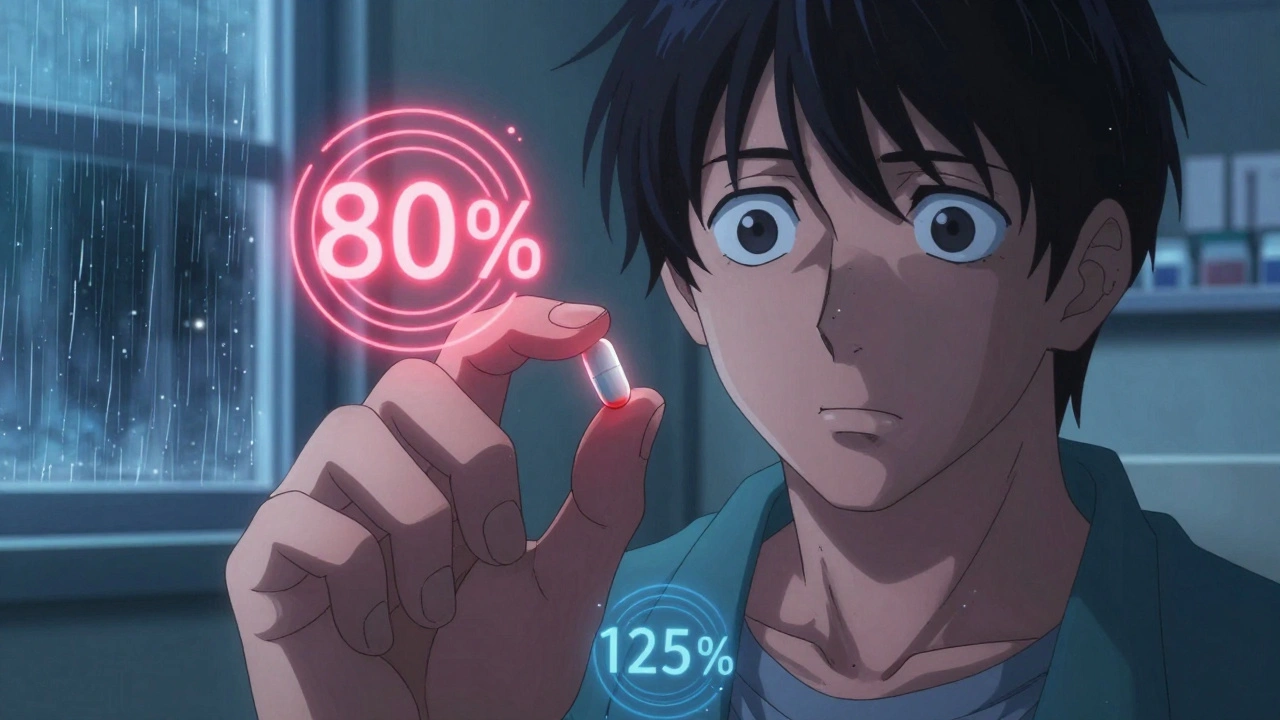
Therapeutic Failure: Why Medications Stop Working and What to Do About It
When a drug no longer does what it’s supposed to, that’s therapeutic failure, the situation where a prescribed medication fails to produce the expected clinical benefit despite proper use. Also known as treatment resistance, it’s not rare—especially with chronic conditions like hypertension, depression, or thyroid disorders. It doesn’t mean you’re broken. It means something in the system isn’t working as it should.
One of the biggest culprits behind therapeutic failure is generic switching, when a pharmacy substitutes a brand-name drug with a generic version, sometimes without telling you. While generics are usually safe and identical in active ingredients, differences in fillers, coatings, or release mechanisms can change how your body absorbs the drug. This is especially dangerous with medications that have a narrow therapeutic index, like warfarin or levothyroxine. A tiny shift in blood levels can mean the difference between control and crisis. Another major factor is drug interactions, when other medications, supplements, or even food block absorption or alter metabolism. Fiber supplements, for example, can trap thyroid meds or blood thinners before they enter your bloodstream. Coffee, calcium, and antacids do the same. These aren’t myths—they’re documented in clinical studies and show up in patient reports daily.
Therapeutic failure isn’t always obvious. You might not feel worse right away. Your blood pressure might creep up slowly. Your mood might just feel "off." Your INR might drift out of range without symptoms. That’s why monitoring matters. Devices and apps that track symptoms, heart rate, or pill intake aren’t just tech trends—they’re lifelines for catching failure before it turns into an emergency. And when you do notice something’s wrong, don’t assume it’s just your body getting used to it. Ask: Did I switch brands? Did I start a new supplement? Did I change my routine? These are the questions that lead to answers.
Some people blame themselves. Others assume the drug is broken. But therapeutic failure is rarely about willpower or luck. It’s about biology, chemistry, and timing. It’s why two people on the same dose can have completely different outcomes. It’s why your doctor needs to know every pill, powder, and potion you take—even the ones you think don’t matter. The posts below break down real cases: how warfarin changes after a generic switch, why fiber ruins thyroid absorption, how expired antibiotics lead to treatment collapse, and why fentanyl patches can backfire over time. You’ll find practical steps to protect yourself, questions to ask your pharmacist, and signs you can’t ignore. This isn’t theory. It’s what happens when medicine doesn’t work—and how to fix it before it’s too late.