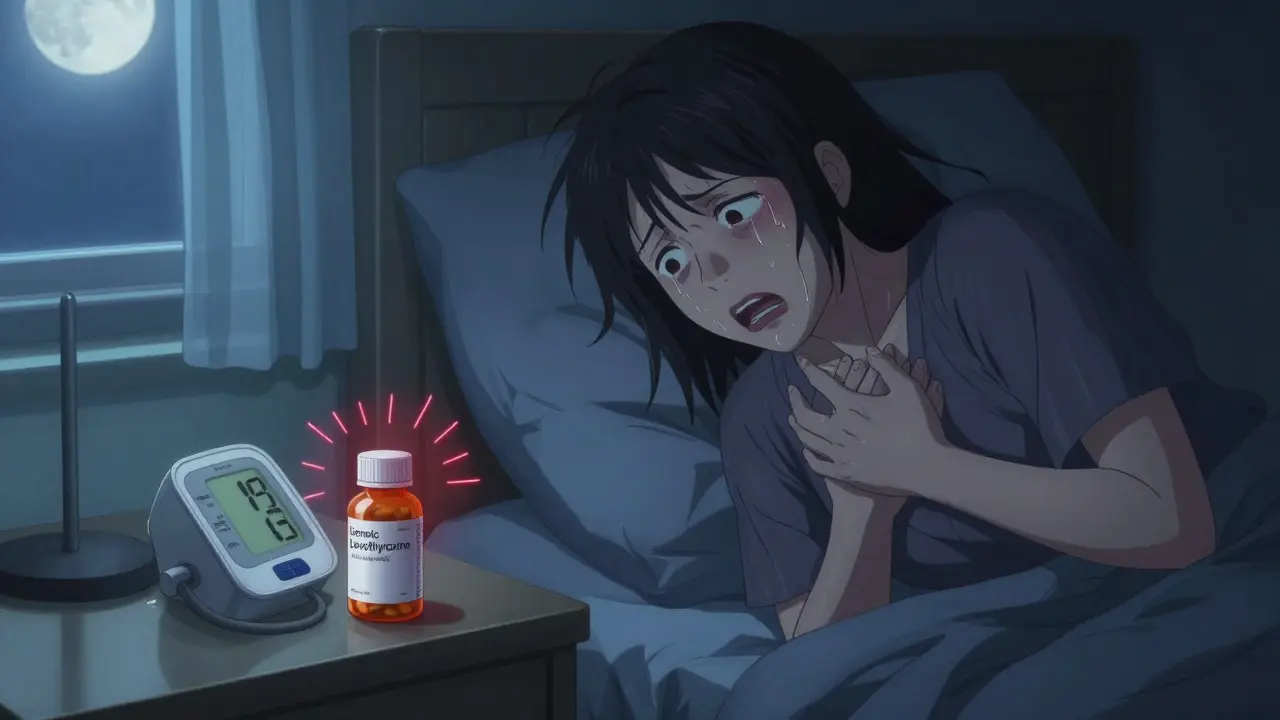
Switching from a brand-name drug to a generic version is supposed to save money-without sacrificing effectiveness. For most people, it works perfectly. But for some, even a small change in inactive ingredients can trigger real, sometimes serious, problems. You might feel fine at first, then notice something off: a rash, weird nausea, or your medication just doesn’t seem to be working like it used to. That’s not in your head. It’s a signal.
Why Some People React Differently to Generics
Generic drugs are required by the FDA to contain the same active ingredient, strength, and dosage form as the brand-name version. That part is non-negotiable. But what’s not the same? The fillers, dyes, binders, and preservatives-the inactive ingredients. These don’t treat your condition, but they can trigger reactions in people with sensitivities. A 2022 FDA report found that 14.3% of adverse events linked to generic switches involved skin reactions like rashes or hives. For someone allergic to a specific dye or lactose-based filler, even a tiny amount can cause trouble. The bigger concern comes with drugs that have a narrow therapeutic index. These are medications where the difference between a safe dose and a harmful one is very small. Even a 10% change in how much of the drug gets into your bloodstream can cause problems. That’s why drugs like warfarin (for blood thinning), levothyroxine (for thyroid function), and lamotrigine (for epilepsy or bipolar disorder) carry higher risks when switched. A 2017 study in Clinical Therapeutics found that 15.3% of patients on brand-name levothyroxine saw their TSH levels swing out of the safe range after switching to a generic. That’s not a small number. For someone managing hypothyroidism, that shift can mean fatigue, weight gain, or worse-heart rhythm problems.Red Flags: When to Call Your Doctor Within 24 Hours
Not every change means danger. But some signs are clear warnings. If you notice any of these after switching to a generic, call your doctor the same day:- Skin rash, hives, or itching-especially if it spreads or gets worse. This could mean an allergic reaction to a dye or filler.
- Persistent nausea, vomiting, or diarrhea that lasts more than two days. This isn’t just an upset stomach-it could signal your body isn’t absorbing the drug properly.
- Unexplained fatigue or dizziness that’s new and doesn’t go away. If you’re suddenly exhausted when you used to feel fine, your medication might not be working as intended.
- Changes in how well your medication works. For example: your seizures return, your thyroid symptoms come back, your blood pressure spikes, or your migraines start again. This is especially critical if you’re on a narrow therapeutic index drug.
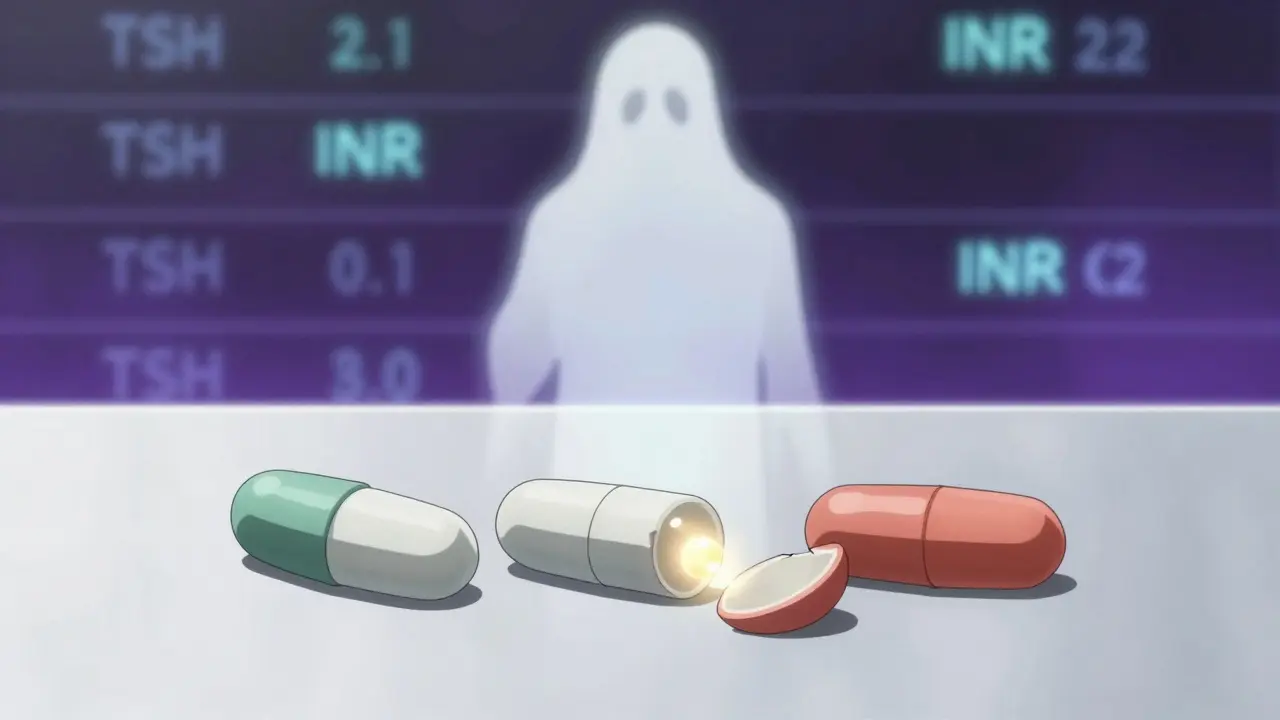
These aren’t vague feelings. They’re measurable signals. For people on levothyroxine, a TSH level above 4.5 or below 0.5 mIU/L is outside the target range. For warfarin users, an INR above 3.0 or below 2.0 increases risk of clotting or bleeding. If you’re on one of these drugs, ask your doctor for a follow-up blood test within two weeks of switching.
High-Risk Drugs: Know Which Ones to Watch
Some generics are more likely to cause problems than others. Based on patient reports and clinical studies, these are the top three medications where switching triggers the most issues:- Sertraline (Zoloft)-37.2% of patient reports on Drugs.com mention new or worsening anxiety, insomnia, or mood swings after switching to a generic.
- Lamotrigine (Lamictal)-32.8% of reports describe mood shifts, dizziness, or even seizures returning. The American Academy of Neurology specifically advises against automatic substitution for this drug.
- Levothyroxine (Synthroid)-29.5% of users report fatigue, weight gain, or heart palpitations after switching. Many end up needing to go back to the brand.
A 2023 case study in Annals of Pharmacotherapy followed a patient with bipolar disorder who went into mania after switching from brand-name lamotrigine to a generic. She was hospitalized. Her doctor later switched her back-and her symptoms vanished. That’s not rare. It’s a documented pattern.
Emergency Signs: When to Call 911
Rare, but life-threatening reactions can happen. If you experience any of these after taking a new generic, get emergency help immediately:- Swelling of the throat, tongue, or lips
- Difficulty breathing or wheezing
- Sudden drop in blood pressure (feeling faint, cold skin, rapid pulse)
These are signs of anaphylaxis-a severe allergic reaction. Even if you’ve taken the drug before without issue, your body can react differently to a new formulation. Don’t wait. Call 911.
What to Do If You Think the Generic Isn’t Working
If you’re noticing your condition isn’t under control, don’t assume it’s just "getting worse." It might be the pill. First, check your medication bottle. Is the name different? Is the color or shape changed? That’s a clue. Then, call your doctor. Don’t wait. Tell them exactly what’s changed and when. Bring your old prescription bottle if you still have it. Your doctor might:- Order a blood test to check drug levels or biomarkers (like TSH or INR)
- Switch you back to the brand-name version
- Prescribe a different generic from another manufacturer
Some states, like California, now require pharmacists to notify your doctor before switching your prescription for certain high-risk drugs. But not all states do. If you’re on a narrow therapeutic index drug, ask your doctor to write "dispense as written" or "no substitution" on your prescription. That legally stops the pharmacy from swapping it out without your doctor’s approval.
How to Protect Yourself Moving Forward
You don’t have to avoid generics. Most of them are safe and effective. But you need to be smart about it.- Always ask your pharmacist: "Is this the same brand I’ve been taking?" If they say "it’s the same generic," ask which manufacturer made it. Different companies make different versions.
- Keep a simple log: Note the date you switched, the name of the drug, and any new symptoms. This helps your doctor spot patterns.
- If you’re on a high-risk drug, schedule a follow-up blood test two to four weeks after switching.
- Don’t be afraid to ask for the brand name if you’ve had problems before. Insurance may require prior authorization, but your doctor can help with that.
There’s no shame in needing the brand. If a generic makes you feel worse, it’s not your fault. It’s a biological response-and your doctor’s job is to find what works for you, not just what’s cheapest.
What’s Changing in 2026
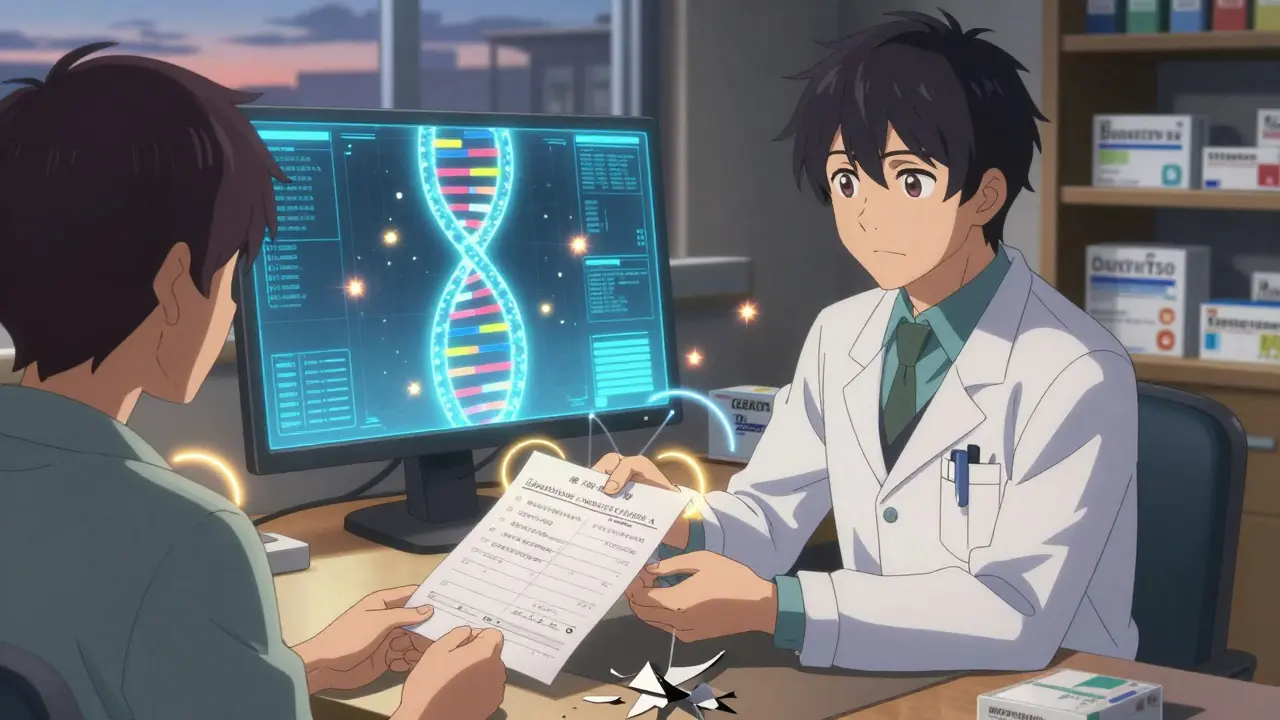
The FDA launched its Generic Drug Target Action Program in 2024, using AI to predict bioequivalence issues before drugs hit the market. Early results show a 22% drop in post-market complaints. That’s good news. Meanwhile, companies like Color Genomics are offering genetic tests that can tell you how your body metabolizes certain drugs. If you’ve had bad reactions to generics before, a pharmacogenomic test might help predict which ones are safer for you. The message is clear: Generics are not one-size-fits-all. For most people, they’re perfect. For others, they’re a risk. Your body knows the difference. Listen to it.Can I switch back to the brand-name drug if the generic isn’t working?
Yes. If you notice side effects or reduced effectiveness after switching, contact your doctor right away. They can prescribe the brand-name version again, and many insurance plans will cover it if you can prove the generic didn’t work for you. Keep records of your symptoms and any lab results to support your request.
Are all generic drugs the same, or do different manufacturers make different versions?
Different manufacturers make different versions of the same generic drug. While the active ingredient is identical, the inactive ingredients-like fillers, dyes, and binders-can vary. That’s why two generics of the same drug might affect you differently. If you’ve had a bad reaction to one generic, ask your pharmacist for the manufacturer name and request the same one next time.
Which medications are most likely to cause problems when switched to generics?
Drugs with a narrow therapeutic index carry the highest risk. These include levothyroxine (for thyroid), warfarin (for blood thinning), lamotrigine (for epilepsy and bipolar disorder), phenytoin (for seizures), and cyclosporine (for organ transplants). Sertraline and sumatriptan also have high reports of patient complaints after switching. Always ask your doctor if your medication falls into this category.
Should I get blood tests after switching to a generic?
If you’re on a drug with a narrow therapeutic index-like levothyroxine, warfarin, or phenytoin-yes. Your doctor should schedule a follow-up blood test two to four weeks after switching to check your levels (TSH, INR, or serum drug concentration). Even if you feel fine, subtle changes can build up over time and lead to serious problems.
Can I refuse a generic substitution at the pharmacy?
Yes. You have the right to refuse a generic substitution. When your prescription is filled, ask the pharmacist: "Is this a generic?" If it is, you can say, "I’d like to stick with the brand-name version." Your doctor can also write "dispense as written" or "no substitution" on the prescription to legally prevent the switch.
Carolyn Rose Meszaros
January 20, 2026 AT 02:02I switched to generic sertraline last month and started having panic attacks at 3am 😳 I thought I was losing my mind-turns out, the filler in the generic was triggering my anxiety. Called my doc, switched back to Zoloft, and boom-sleep returned. Don’t ignore those weird vibes. Your body knows.
Greg Robertson
January 21, 2026 AT 14:53Good post. I’m on levothyroxine and had the same thing happen. TSH went from 2.1 to 7.8 after the switch. Felt like a zombie for weeks. Docs just shrugged until I brought my logs. Now they test me every 6 weeks after any switch. Worth it.
clifford hoang
January 21, 2026 AT 17:56They’re hiding the truth. The FDA doesn’t test generics for real bioequivalence-they just check a few samples and call it a day. Big Pharma owns the labs. The dye in your pill? Probably linked to the rise in autism. Look up the patent filings. It’s all connected. 🤔🧪
Arlene Mathison
January 23, 2026 AT 00:21Y’all need to speak up more. I was scared to say anything because I didn’t want to sound like a hypochondriac. But when my seizures came back after switching lamotrigine? I screamed at my pharmacist. They gave me my brand back. Don’t stay quiet. Your life matters more than a $5 savings.
Emily Leigh
January 23, 2026 AT 04:23Wow. So... we're supposed to trust a system that lets companies change the fillers without telling us? 🤦♀️. I mean, why even have brand names if they're just going to swap pills like trading cards? I'm just here for the drama.
Renee Stringer
January 23, 2026 AT 18:37People who complain about generics are just lazy. If you can’t handle a little change, maybe you shouldn’t be on medication at all. Everyone else manages. Why should the system bend for your sensitivity?
Courtney Carra
January 25, 2026 AT 04:13It’s not about generics vs brands-it’s about the illusion of equivalence. We treat pills like interchangeable widgets, but biology isn’t a spreadsheet. If your body reacts, it’s not weakness. It’s precision. The system ignores nuance because it’s easier to mass-produce than to personalize.
Manoj Kumar Billigunta
January 25, 2026 AT 08:19My cousin in India takes generic warfarin and checks INR every week. He says, "Better safe than sorry." If you’re on high-risk meds, don’t wait for a crisis. Test early. Talk to your doctor. Stay calm. You got this.
Andy Thompson
January 25, 2026 AT 13:05China makes 80% of our generics. They use chalk, glue, and whatever’s cheap. I’m not taking a pill made in a factory that doesn’t even speak English. This is why America’s health is falling apart. Wake up.
sagar sanadi
January 26, 2026 AT 02:17So what? You got a rash? Maybe you’re just allergic to being healthy. I’ve been on 7 different generics of everything and never had a problem. Maybe your problem is you’re too sensitive. Or maybe you just like attention.
kumar kc
January 26, 2026 AT 05:39Stop whining. Take the generic. It’s the same drug. If you can’t handle it, you’re not sick-you’re weak.
Crystal August
January 26, 2026 AT 08:27Why do people think they know more than doctors? You don’t get to decide what’s in your pill. The system works. If you’re having issues, it’s probably because you’re not taking it right. Or maybe you’re just dramatic.
thomas wall
January 27, 2026 AT 00:29While the concerns raised are not without merit, it is imperative that we contextualize them within the broader framework of public health economics. To privilege brand-name pharmaceuticals universally is to deny access to millions who rely on affordability. The solution lies not in resistance, but in enhanced regulatory transparency and mandatory disclosure of excipients. The patient’s voice must be heard-but not at the expense of systemic equity.