NSAID Safety: GI Risks, Kidney Effects, and How to Monitor Them
NSAIDs relieve pain but carry hidden risks to your stomach and kidneys. Learn how to spot early signs of damage, who’s most at risk, and what monitoring you need to stay safe.
View MoreWhen you take NSAIDs, nonsteroidal anti-inflammatory drugs used for pain, fever, and inflammation. Also known as non-opioid painkillers, they include common medicines like ibuprofen, naproxen, and aspirin. While they help millions manage everyday aches, they don’t come without risks—especially if used long-term or without proper monitoring. Many people assume because these drugs are available over the counter, they’re harmless. But that’s not true. NSAID monitoring isn’t just for doctors—it’s something you should be doing too, especially if you’re taking them regularly for arthritis, back pain, or menstrual cramps.
One of the biggest dangers is gastrointestinal risks, stomach ulcers and bleeding caused by NSAIDs blocking protective stomach lining enzymes. You might not feel anything until it’s too late—sudden black stools, vomiting blood, or unexplained fatigue can be warning signs. People over 60, those on blood thinners, or with a history of ulcers are at higher risk. Then there’s kidney function, how NSAIDs reduce blood flow to the kidneys, potentially causing acute injury or worsening chronic disease. This is silent damage—you won’t feel it until your creatinine levels spike during a routine blood test. And let’s not forget cardiovascular safety, the increased chance of heart attack or stroke linked to long-term NSAID use, especially with higher doses. The FDA has warned about this for years, yet many still use these drugs daily without checking in with their doctor.
Monitoring doesn’t mean constant doctor visits. It means knowing what to track: how often you’re taking them, whether you’re using them with alcohol or other pain meds, if you’ve noticed swelling in your ankles, changes in urine output, or stomach burning. It means asking for a basic blood test once a year if you’re on NSAIDs regularly. It means not ignoring that odd dizziness or shortness of breath after taking a pill. The posts below show real cases—people who switched generics and had unexpected reactions, others who didn’t realize their kidney numbers were creeping up, and patients who thought their stomach pain was just indigestion until it wasn’t. You’ll find practical advice on spotting early warning signs, understanding lab results, and when to stop and call your provider. This isn’t about fear—it’s about staying in control of your health while using these powerful, common drugs.
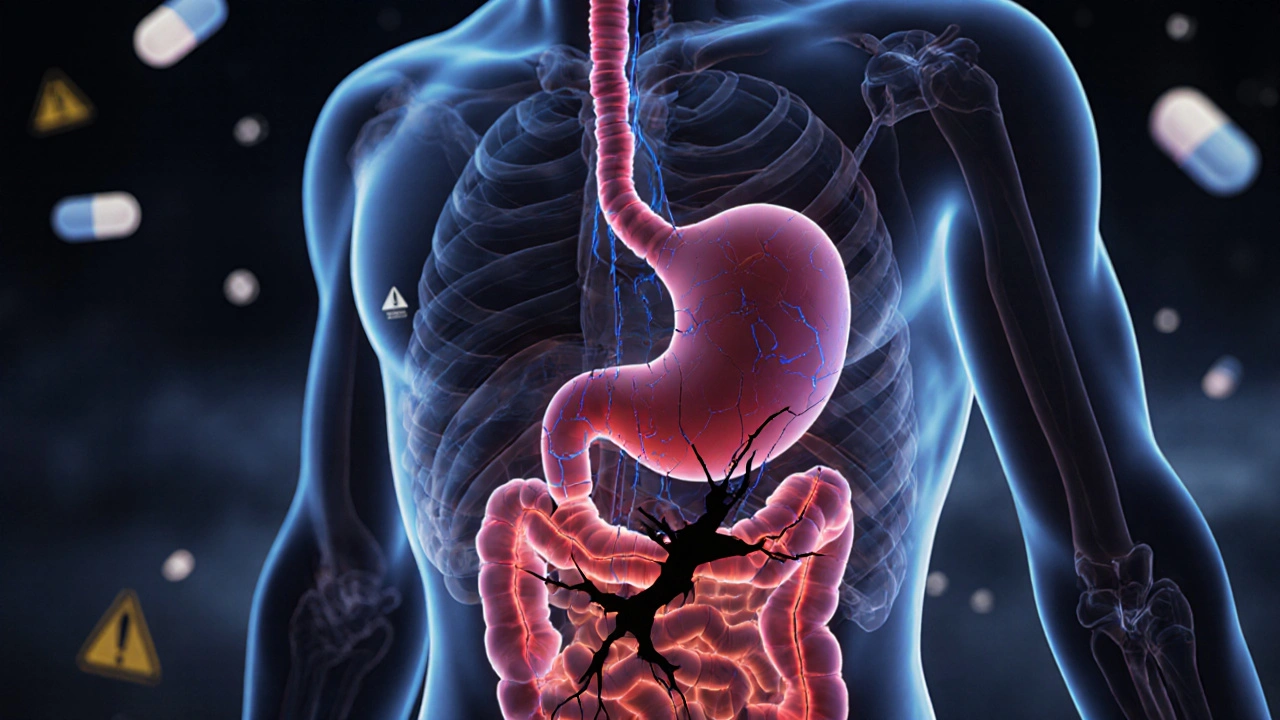
NSAIDs relieve pain but carry hidden risks to your stomach and kidneys. Learn how to spot early signs of damage, who’s most at risk, and what monitoring you need to stay safe.
View More