NSAID Safety: GI Risks, Kidney Effects, and How to Monitor Them
NSAIDs relieve pain but carry hidden risks to your stomach and kidneys. Learn how to spot early signs of damage, who’s most at risk, and what monitoring you need to stay safe.
View MoreWhen you take NSAIDs, nonsteroidal anti-inflammatory drugs like ibuprofen or naproxen used for pain and inflammation. Also known as nonsteroidal anti-inflammatories, they’re one of the most common over-the-counter medications in the world. But for many people, especially those using them daily, these drugs quietly stress the kidneys—sometimes leading to lasting damage. Most don’t realize their kidneys are under pressure until it’s too late. Kidney damage from NSAIDs isn’t rare. It’s silent, preventable, and often missed until symptoms like swelling, fatigue, or changes in urination show up.
People with existing conditions like high blood pressure, diabetes, or heart failure are at higher risk, but even healthy adults can be affected if they take high doses for months. The kidneys filter blood and regulate fluid balance, and NSAIDs reduce blood flow to them by blocking prostaglandins—chemicals that help keep kidney arteries open. Over time, this can lead to acute kidney injury, a sudden drop in kidney function that can happen after just a few days of heavy NSAID use, or worse, chronic kidney disease, a slow, irreversible decline that may require dialysis. It’s not just about pills. Topical NSAIDs, patches, and even some muscle rubs can contribute if used excessively.
Signs are easy to ignore: mild swelling in the ankles, needing to pee more at night, feeling unusually tired, or noticing your blood pressure is harder to control. These aren’t normal aging signs—they’re warning flags. The risk goes up if you’re over 60, dehydrated, taking diuretics, or using multiple painkillers at once. Many people don’t connect their kidney issues to their daily ibuprofen routine. But studies show that regular NSAID users have a 20-30% higher chance of developing kidney problems compared to non-users.
What can you do? First, don’t assume OTC means safe. Talk to your doctor before using NSAIDs for more than 10 days straight. Ask if acetaminophen might work better for your pain. If you have to use NSAIDs, keep doses low, stay hydrated, and avoid them if you’re sick with vomiting or diarrhea. Get your kidney function checked yearly if you’re on long-term pain meds. And if you’ve switched generics recently, remember—some formulations may affect you differently, even if they’re labeled the same.
The posts below cover real cases, hidden risks, and practical steps to protect your kidneys while managing pain. You’ll find guides on how to spot early warning signs, what alternatives actually work, how to talk to your doctor about reducing NSAID use, and why some people react worse than others—even to the same drug. These aren’t theoretical warnings. They’re from people who learned the hard way—and now want to help you avoid it.
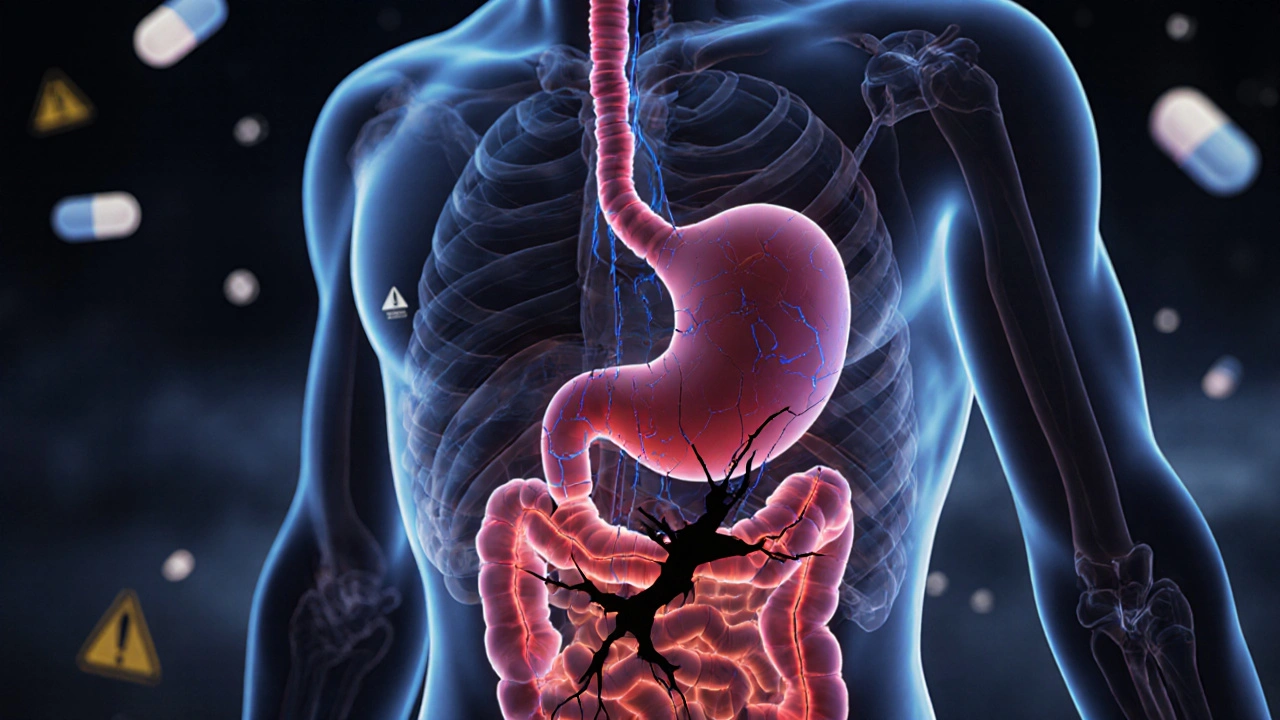
NSAIDs relieve pain but carry hidden risks to your stomach and kidneys. Learn how to spot early signs of damage, who’s most at risk, and what monitoring you need to stay safe.
View More