
Photosensitivity Protection Calculator
This calculator estimates your effective sun protection level based on multiple factors. Enter your details to see if you're protected against photosensitivity reactions.
Sun Protection Inputs
Getting a sunburn after just a few minutes outside isn’t normal - if it happens to you, you might be dealing with photosensitivity. This isn’t just a bad tan. It’s a reaction where your skin responds violently to sunlight, triggering rashes, blisters, or severe burns even with minimal exposure. For people with this condition, the sun isn’t just uncomfortable - it’s a health risk that demands serious, daily protection.
What Causes Photosensitivity?
Photosensitivity isn’t one thing. It comes in two main forms: phototoxic and photoallergic. Phototoxic reactions are more common. They happen when certain chemicals in your body - often from medications or skincare products - react with UV light and damage skin cells. Think of it like your skin being extra flammable. Photoallergic reactions are rarer and involve your immune system. Here, UV light changes a substance on your skin, and your body treats it like an invader, causing an allergic rash that can spread beyond sun-exposed areas. Common triggers include antibiotics like doxycycline and tetracycline, diuretics like hydrochlorothiazide, NSAIDs such as ibuprofen, and even some acne treatments with retinoids or alpha-hydroxy acids. Essential oils like bergamot in perfumes or lotions can also set off reactions. If you’ve noticed your skin breaking out after sun exposure only after starting a new medication, that’s a red flag. Talk to your pharmacist. Many people don’t realize their meds make them sun-sensitive until it’s too late.Why Standard Sunscreen Isn’t Enough
Most people think SPF 30 sunscreen is good enough. For someone with normal skin, maybe. But if you’re photosensitive, that’s not cutting it. The Skin Cancer Foundation and NIH guidelines both recommend SPF 50+ for people with heightened sensitivity. Why? SPF 30 blocks about 97% of UVB rays. SPF 50 blocks 98%. That extra 1% matters - a lot - when your skin reacts to tiny amounts of radiation. Even worse, many sunscreens don’t protect well against UVA rays, which penetrate deeper and cause long-term damage. That’s why you need broad-spectrum protection. Look for zinc oxide or titanium dioxide as active ingredients. These physical blockers sit on top of your skin and reflect UV light. Chemical sunscreens absorb UV, but they can irritate sensitive skin or even trigger photoallergic reactions themselves. For photosensitive individuals, mineral formulas are the gold standard. And don’t forget: sunscreen only works if you use enough. Most people apply only 25-50% of the recommended amount. To cover your whole body, you need about one ounce - that’s a shot glass full. Reapply every two hours, and right after swimming, sweating, or towel-drying. Set phone reminders if you have to. One Reddit user with lupus said they set hourly alarms just to stay protected during their workday.Clothing That Actually Works
Clothing is your first line of defense - if it’s the right kind. Regular cotton t-shirts offer barely any protection. A white cotton tee has a UPF (Ultraviolet Protection Factor) of about 5. That means 20% of UV radiation gets through. Not good enough. Look for clothing labeled UPF 50+. That means only 2% of UV rays penetrate the fabric. These garments are made from tightly woven synthetics like polyester or nylon, or heavy, dark-colored wool or denim. You don’t need to look like a lab coat. Brands now make lightweight, breathable UPF 50+ shirts, hats, and even swimwear that feel like regular clothes. For warm climates, choose dark colors - they absorb more UV than light ones. A UPF 50+ hat with a 3-inch brim protects your face, neck, and ears - the most vulnerable spots. Sunglasses with UV protection shield your eyes and the delicate skin around them. Photosensitive patients often forget these areas, but they’re common sites for reactions.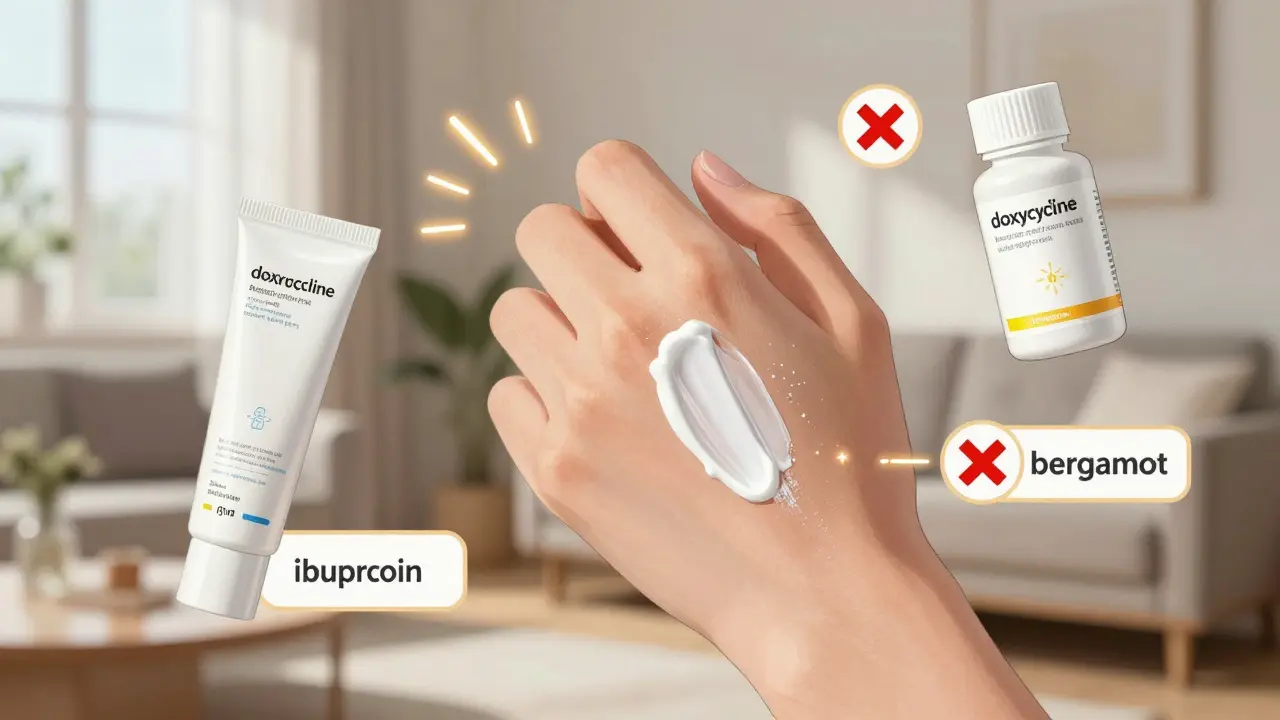
Windows Don’t Protect You
You might think sitting by a window is safe. It’s not. Standard glass blocks 97% of UVB rays - the ones that cause sunburn. But it lets through 75% of UVA rays, which cause aging and trigger photosensitivity. That’s why people with lupus or porphyria often get rashes while driving or sitting near a sunny window at home. The fix? Install UV-blocking window film. It costs between $5 and $15 per square foot and blocks up to 99% of UVA. It’s clear, doesn’t distort vision, and works on home, car, and office windows. DermNet NZ has documented cases where patients saw dramatic improvement after installing this film. If you’re on a tight budget, sheer, tightly woven curtains can reduce exposure by half - but film is far more reliable.Timing and Environment Matter
UV radiation peaks between 10 a.m. and 4 p.m., when your shadow is shorter than your height. That’s the golden rule for avoiding exposure. Plan outdoor tasks - walking the dog, gardening, errands - for early morning or late afternoon. Check your local UV index. If it’s above 3, take extra precautions. Shade helps, but it’s not perfect. Trees, umbrellas, and awnings block 50-95% of UV, depending on density and angle. Don’t rely on shade alone. Combine it with clothing, sunscreen, and hats. Portable UPF 50+ canopies are worth the investment if you spend time outdoors. And don’t ignore altitude. For every 1,000 meters you climb, UV exposure increases by 5-10%. Snow, sand, and water reflect UV, multiplying exposure. Even on cloudy days, up to 80% of UV rays penetrate clouds. Photosensitivity doesn’t take days off.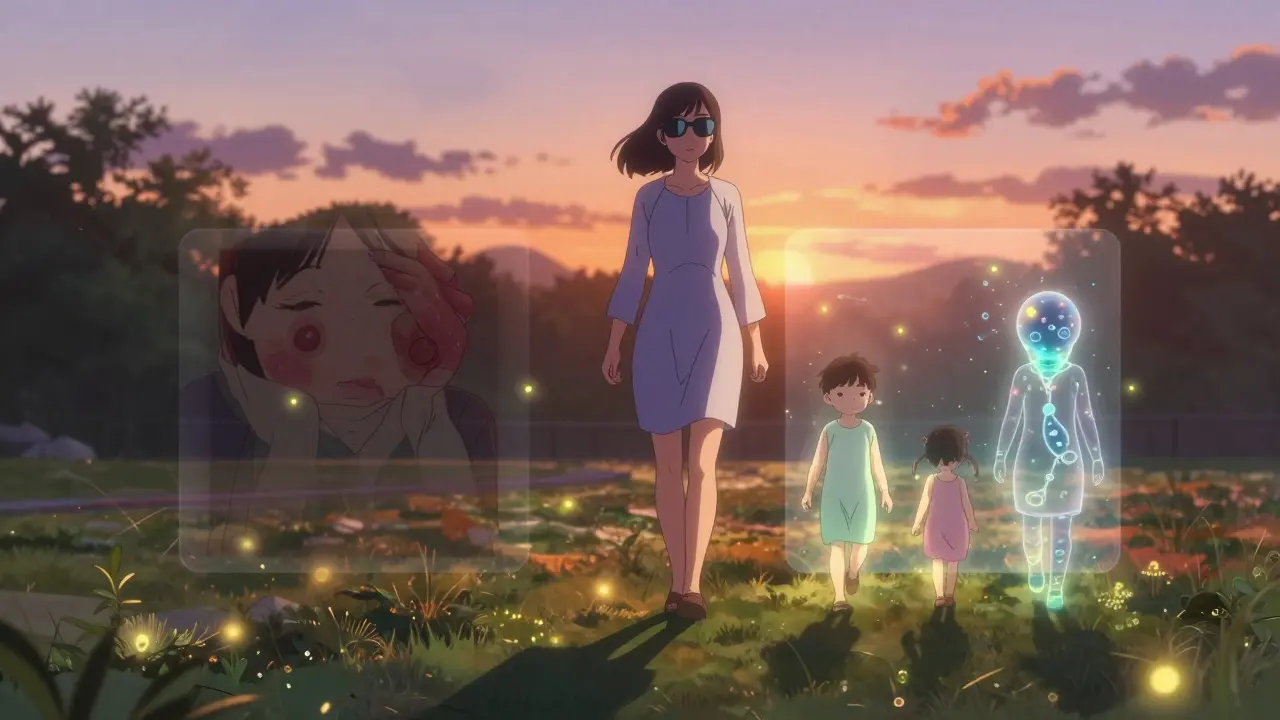
Supplements and Oral Protection
Sunscreen and clothing aren’t the only tools. Research shows certain supplements can add a layer of internal defense. Polypodium leucotomos, an extract from a Central American fern, has been shown to reduce sunburn reactions and provide the equivalent of SPF 3-5 protection when taken daily. It’s not a replacement - it’s a backup. Nicotinamide (vitamin B3) has stronger evidence. A landmark study in the New England Journal of Medicine found that taking 500 mg twice daily reduced new non-melanoma skin cancers by 23% in high-risk patients. While this is mainly studied in those with a history of skin cancer, many dermatologists now recommend it for severely photosensitive individuals as a preventive measure. Don’t waste money on tanning lotions with dihydroxyacetone (DHA). They give you a fake tan but offer only SPF 3 - barely any real protection. Stick to proven methods.What to Avoid
Beyond medications, many everyday products can make photosensitivity worse. Check your skincare routine. Retinols, glycolic acid, salicylic acid, and citrus-based essential oils like bergamot, lime, or lemon are common culprits. Even some perfumes and aftershaves can trigger reactions. Switch to fragrance-free, hypoallergenic products. Tanning beds? Absolutely off-limits. They emit concentrated UVA and UVB, and for photosensitive people, they’re dangerous. One patient described a single 10-minute session causing a full-body blistering reaction.Living With Photosensitivity
This isn’t just about sunscreen. It’s a lifestyle shift. People with severe photosensitivity adapt in ways that sound extreme - working night shifts, sleeping during the day, wearing long sleeves in summer. It’s not laziness. It’s survival. The good news? You don’t have to live in the dark. With the right tools - UPF clothing, mineral sunscreen, window film, and smart scheduling - you can enjoy life safely. Many patients report improved quality of life after making these changes. One woman with cutaneous lupus said she went from avoiding the outdoors entirely to walking her grandchildren in the park after sunset, thanks to a UPF 50+ sun hood and daily nicotinamide. It takes effort. But every minute you spend planning your protection is a minute you won’t spend in pain or recovery. Your skin is your largest organ. Protect it like you would your eyes or your heart.Can photosensitivity go away on its own?
Sometimes, yes - but only if the trigger is removed. If a medication caused your photosensitivity, stopping it may resolve the issue within days or weeks. But if it’s tied to an autoimmune condition like lupus or porphyria, it’s usually lifelong. Even if symptoms fade, sun protection remains essential to prevent long-term skin damage and cancer risk.
Is SPF 100 better than SPF 50?
Not significantly. SPF 50 blocks 98% of UVB rays. SPF 100 blocks 99%. That extra 1% offers minimal real-world benefit and can give a false sense of security. The key isn’t the number - it’s using enough, reapplying often, and combining sunscreen with clothing and shade. SPF 50+ is the sweet spot for photosensitive skin.
Do I need to protect my skin on cloudy or winter days?
Yes. Up to 80% of UV rays penetrate clouds. Snow reflects up to 80% of UV radiation, doubling exposure. Winter sun may feel mild, but UVA rays - the main trigger for photosensitivity - are just as strong year-round. Daily protection is non-negotiable.
Can I use regular sunglasses for UV protection?
Only if they’re labeled UV400 or 100% UV protection. Cheap sunglasses without proper filtering can make things worse - they cause your pupils to dilate, letting in more harmful rays. Always choose sunglasses with verified UV blocking, even if they’re not stylish.
Are there any new treatments on the horizon?
Yes. Smart textiles with built-in UV sensors that change color when protection drops are in development. New window films now block 99.9% of UVA and UVB without tinting. Oral photoprotectants like polypodium leucotomos are gaining FDA attention. The future is personalized: genetic testing may soon help determine your personal UV tolerance and tailor protection plans.
Elizabeth Ganak
December 28, 2025 AT 01:12So I just started using zinc oxide sunscreen after my dermatologist told me I’m photosensitive from my acne meds. I was skeptical, but wow-no more red, stinging face after walking to my car. Also, I bought a UPF hat and now I actually go outside in the afternoon. Game changer.
Raushan Richardson
December 29, 2025 AT 11:44This is the most practical guide I’ve ever read on photosensitivity. I’ve been avoiding the sun like it’s a vampire for years, but I never knew about window film or nicotinamide. I’m ordering both today. Thank you for making this feel manageable, not terrifying.
Nicola George
December 30, 2025 AT 02:59Of course the internet has a 2000-word essay on how to not get sunburned. Meanwhile, my Nigerian cousin just walks around in a tank top and calls it ‘God’s test.’ You know what? He’s never had a rash. Maybe we’re overcomplicating this.
Chris Garcia
December 30, 2025 AT 12:07There is a metaphysical dimension to photosensitivity that transcends mere chemistry. The sun, in its radiant sovereignty, does not discriminate-it reveals. Those who burn are not merely reacting to UV rays; they are being illuminated by a truth their bodies refuse to conceal. Is it not curious that the same light that nourishes life also exposes fragility? Perhaps our skin is the final oracle, whispering warnings we have long ignored in the cult of convenience.
Let us not mistake protection for fear. To wear UPF clothing is not to retreat from nature, but to honor the covenant between flesh and starlight. The ancients knew this. They draped themselves in linen, sought shade under sacred trees, and honored the sun with reverence-not with SPF 50+ sprays purchased from a CVS aisle.
And yet, we live in an age where we quantify safety in percentages: 98%, 99%. As if the soul can be measured in logarithmic ratios. The real question is not how much UV we block, but how much of ourselves we have lost in the pursuit of avoidance.
Olivia Goolsby
December 31, 2025 AT 17:09Okay, but have you considered that the entire photosensitivity panic is a Big Pharma scam? SPF 50+ doesn’t block UVA better-it just costs more. The FDA allows companies to say ‘broad spectrum’ without real testing. And those ‘mineral sunscreens’? They’re full of nano-particles that your skin absorbs and then-BAM-your immune system goes haywire. That’s why you get rashes! It’s not the sun, it’s the ‘protection.’
And window film? Please. The government installed UV-blocking film in all federal buildings after 9/11 to track our biometrics through our skin’s radiation signature. That’s why your lupus got worse after you installed it-you were being scanned. They’re using your sensitivity as a surveillance tool. Wake up.
Also, nicotinamide? It’s linked to the 2017 CDC bio-weapon trials in Ohio. I’ve got the declassified memos. Don’t take it. Don’t trust ‘dermatologists.’ They work for the sunscreen conglomerates. I’ve been living in a basement for 14 years with no windows, eating only raw kale, and I’ve never had a rash. Coincidence? I think not.
Monika Naumann
January 1, 2026 AT 00:44It is deeply concerning that Western medical discourse has become so fixated on chemical barriers and commercialized protection, while ignoring the spiritual resilience inherent in traditional Indian practices. In our villages, we have for centuries used neem oil, turmeric paste, and cotton dhootis woven with natural dyes to shield ourselves from the sun's intensity. These methods are not merely protective-they are sacred, rooted in Ayurveda, and free from corporate exploitation.
Why, then, do we import expensive American sunscreens laden with synthetic compounds when our own ancestral wisdom has always provided adequate defense? The answer lies in cultural erasure. We have been conditioned to believe that modernity equals superiority. But true strength is found in tradition, not in SPF ratings.
I implore you: return to the earth. Let your skin breathe. Let the sun be your teacher, not your enemy.
Kishor Raibole
January 1, 2026 AT 04:29Let me tell you, the entire concept of photosensitivity has been weaponized by the cosmetic-industrial complex to sell overpriced lotions, UPF clothing, and vitamin supplements. I once spent six months avoiding sunlight after a mild reaction to ibuprofen-only to discover, after consulting a traditional healer in Kerala, that my body was simply out of balance. I stopped taking all medications, drank warm turmeric milk at dawn, and slept with my windows open. Within weeks, my skin became stronger than ever.
Modern medicine has turned a physiological quirk into a chronic condition. They profit from your fear. They profit from your sunscreen. They profit from your window film. And they profit from your guilt when you forget to reapply.
I am not anti-science. I am pro-truth. And the truth is: the sun has not changed. Our bodies have. And we must listen-not to dermatologists, not to NIH guidelines, but to the ancient rhythms that once governed us.
Jane Lucas
January 2, 2026 AT 17:53i used to hate wearing hats but now i just throw on a big ol’ sun hoodie and call it a day. no more burning, no more panic. also, i started taking niacinamide and my face stopped looking like a tomato after 10 mins outside. lowkey life changing.
Anna Weitz
January 2, 2026 AT 21:53Photosensitivity isn't a medical condition it's a societal construct designed to make you buy things
you think you need sunscreen but you just need to stop being afraid
the sun doesn't care about your skin type
your fear is what burns you
Miriam Piro
January 3, 2026 AT 12:29Okay but what if the sun is actually a hologram projected by the government to test our skin's reaction to EM waves? 🤔
I’ve been tracking my rashes and they spike exactly when the weather app says ‘UV index high’-but what if that data is fake? What if the real trigger is the 5G towers in the city? I live near one and I get blistered every Tuesday. Coincidence? I think not.
And why do all the ‘experts’ only talk about sunscreen and clothing? No one mentions the aluminum in deodorant or the fluoride in toothpaste. Those are the real culprits. They’re making us hypersensitive so we’ll buy more ‘protective’ products. It’s a loop. A trap. I’ve stopped using everything. Now I just stand in the sun for 3 minutes every day. My skin is healing. They don’t want you to know this.
Also, I think the WHO is lying about UVA penetration through windows. My cat sits by the window all day and never gets a rash. I’m not buying it.
Robyn Hays
January 3, 2026 AT 21:45I love how this post breaks down exactly what works-no fluff. I’ve got lupus and spent years trying every ‘natural’ remedy until I found mineral sunscreen + UPF clothing. The window film was the real game-changer though-I never realized I was getting burned while working at my desk. Now I can sit by the window without dreading my next flare-up.
Also, polypodium leucotomos? I started taking it last month. I still use sunscreen, but I’ve noticed I don’t burn as easily on long walks. It’s not magic, but it’s like my skin has a tiny shield now. Small wins, right?
To anyone reading this: you’re not overreacting. Your skin isn’t ‘too sensitive.’ It’s just asking for respect. And you deserve to be outside without pain.
Elizabeth Alvarez
January 4, 2026 AT 11:06They told us sunscreen was safe. They lied.
That’s what they said about cigarettes. That’s what they said about aspartame. That’s what they said about vaccines.
Now they want you to believe SPF 50 is the answer.
But what if the chemicals in sunscreen are what’s causing the photosensitivity in the first place?
I’ve been tracking my reactions since 2019. Every time I stop using sunscreen, the rashes get worse. But then I start using it again-same thing.
What if the sun isn’t the problem? What if the ‘protection’ is the poison?
And why does every dermatologist say ‘use zinc oxide’? Because it’s not patented. It’s cheap. They don’t profit from it.
They’re selling you fear. And they’re selling you the cure.
Wake up.