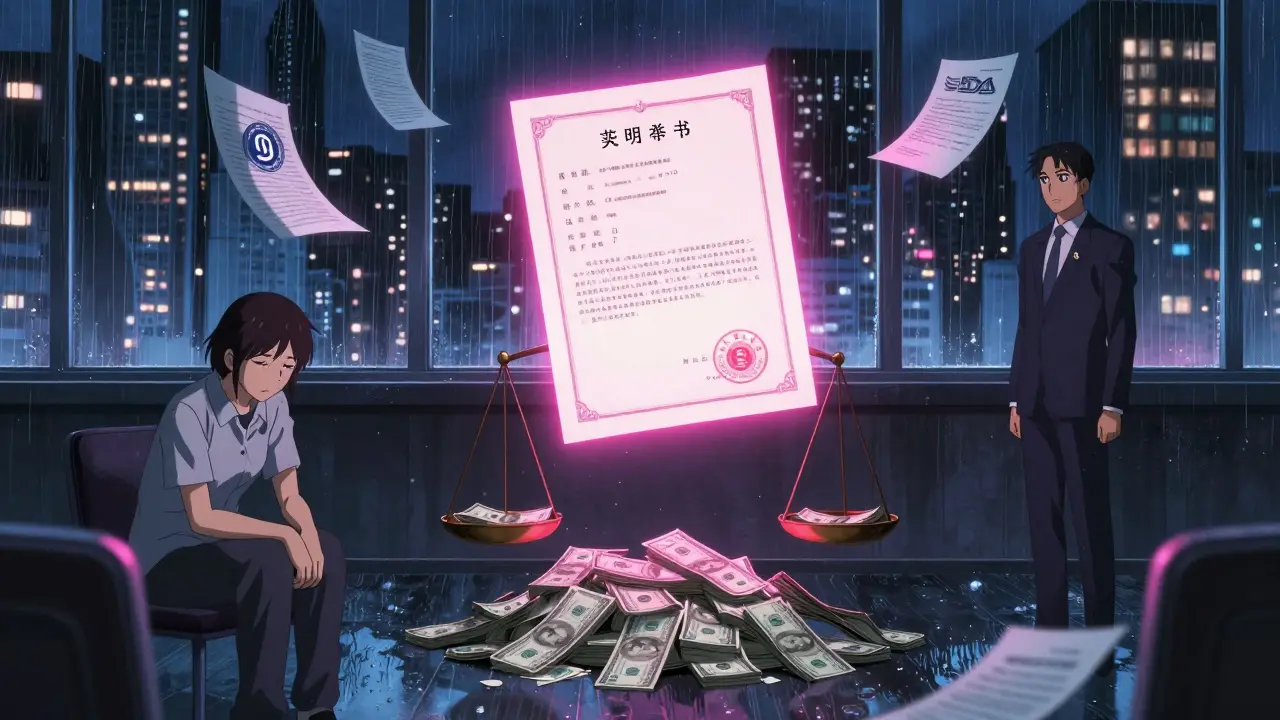
Why Some Drug Patents Last Longer Than Others
If you’ve ever wondered why a brand-name drug stays expensive for years after its patent was supposed to expire, the answer often lies in something called Patent Term Restoration-or PTE. It’s not a loophole. It’s a legal fix designed to make up for time lost waiting for government approval. But here’s the catch: while it was meant to balance innovation and access, it’s now a major factor in keeping drug prices high.
Imagine you spend 12 years developing a new cancer drug. You file your patent early-maybe even before human trials start-so you don’t lose your rights. But then comes the FDA review. That takes another 7 to 10 years. By the time your drug hits the market, you’ve already used up half your patent life. Without PTE, you’d have just a few years to recoup your $2.6 billion investment before generics flood in. That’s not sustainable. So Congress created PTE in 1984, under the Hatch-Waxman Act, to give you back some of that lost time.
How PTE Actually Works
PTE isn’t automatic. It’s not even guaranteed. Only certain products qualify: human drugs, medical devices, food additives, color additives, and animal drugs. The clock starts ticking from the day you file your patent, but the extension only covers time lost during FDA review. The formula looks complicated, but here’s the simple version:
- Take the total time from when you submitted your application to the FDA until approval.
- Subtract any time you were slow to respond or missed deadlines.
- Then subtract half of the time between your patent filing and your first FDA submission.
That number? That’s your extension. But there are hard limits: no more than five years can be added, and the total patent life after extension can’t exceed 14 years from FDA approval. So if your drug got approved in 2020, even with the max extension, it can’t stay protected past 2034.
Here’s a real example: A drug company files a patent in 2010. The FDA approves the drug in 2022. That’s 12 years of regulatory delay. After subtracting time for delays on the company’s side and the pre-filing period, they might get 4.5 years added. Their patent, originally set to expire in 2030, now lasts until 2034.5. That’s 4.5 extra years of market exclusivity.
PTE vs. Patent Term Adjustment: Don’t Confuse Them
People mix up PTE with Patent Term Adjustment (PTA), but they’re totally different. PTA is about delays caused by the USPTO-like if your patent application sat in a queue for too long. PTE is about delays caused by the FDA. One is about bureaucracy inside the patent office. The other is about the drug approval process.
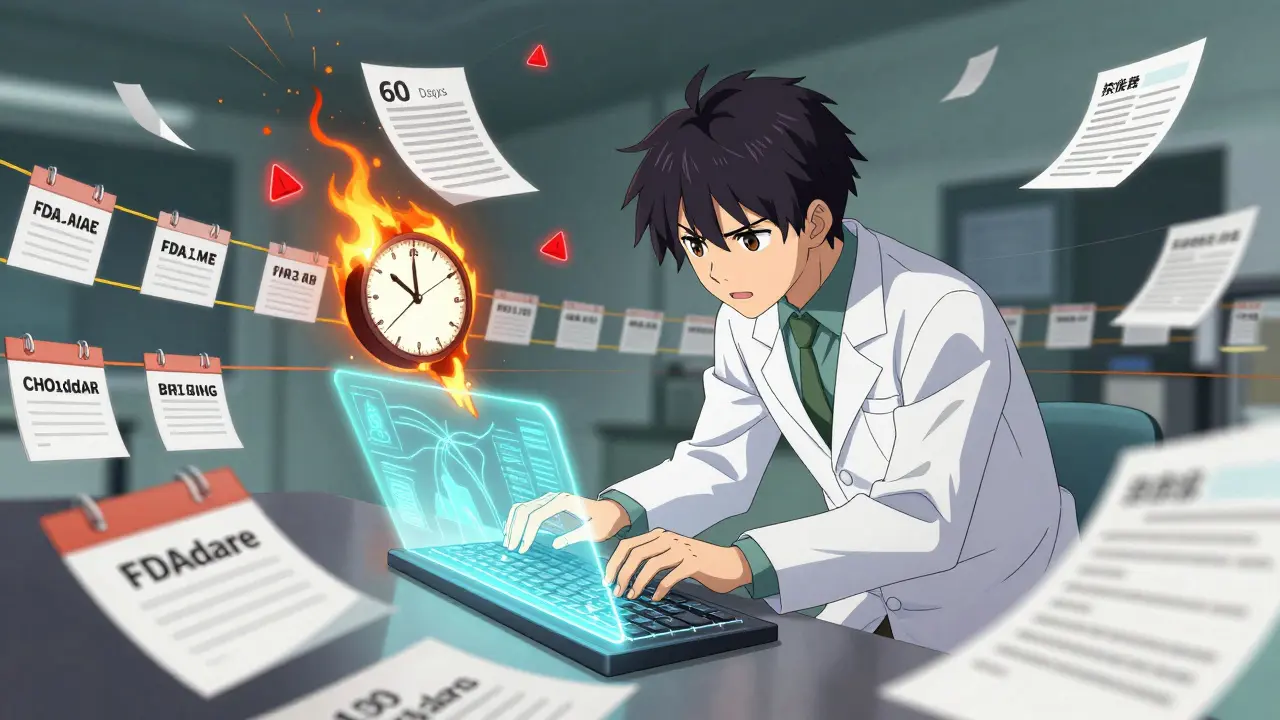
PTA is automatic. If the USPTO takes longer than three years to issue your patent, you get extra days added. PTE? You have to apply. And you have to prove you didn’t drag your feet. That means keeping detailed records: every email, every meeting note, every submission date to the FDA. Miss one detail, and your application gets denied.
In 2022, the USPTO denied nearly 13% of PTE applications. The most common reason? Incomplete proof of due diligence. Companies thought sending a few milestone reports was enough. The FDA wants day-by-day documentation showing they were moving forward at every stage. One patent attorney on Reddit said their team once lost a 3-year extension because a single lab report was filed two days late.
Who Uses PTE-and Why It Matters
PTE is mostly used by big pharma. Biotech firms, medical device makers, and companies developing complex new drugs rely on it. In 2023, 34% of PTE applications were for biologics-drugs made from living cells, like monoclonal antibodies for autoimmune diseases. These take even longer to develop and approve than traditional pills.
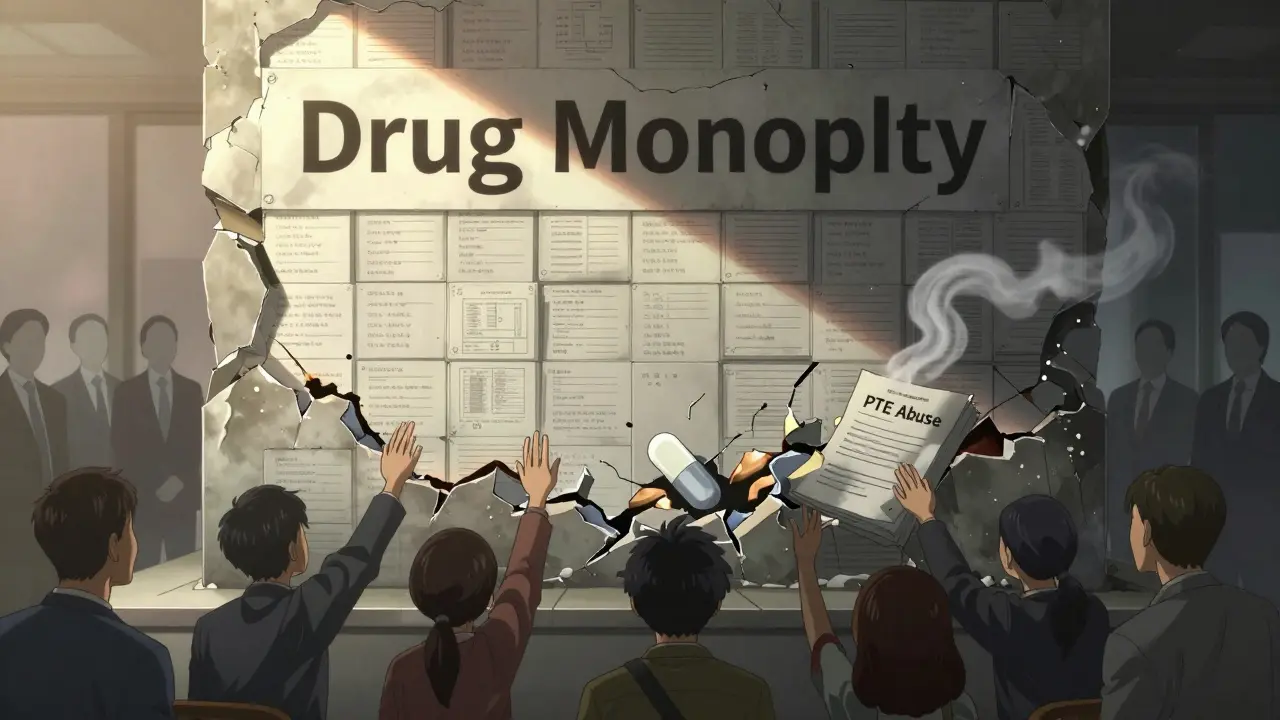
But here’s the problem: PTE was never meant to be a tool for endless market control. The law says only one patent per product can get extended. But companies have found ways around it. They file dozens of secondary patents-for new dosages, delivery methods, or combinations-and then extend those instead. A 2022 JAMA study found that 78% of PTE applications were for these follow-on patents, not the original compound. That means the drug’s core invention might have expired, but you’re still blocked from generics because of a patent on the pill’s coating or how it’s taken.
That’s why drugs like Humira, which originally came off patent in 2016, still have no true generic version. Instead, there are dozens of “biosimilars” that took years to get approved-and even then, they’re priced nearly as high as the original. PTE helped build that wall.
The Financial Impact: Who Pays?
The Congressional Budget Office estimated that PTE adds $4.2 billion to U.S. drug spending every year. That’s money patients, insurers, and Medicare pay out of pocket. Drugs with PTE keep 92% of their market share during the extension period. Once generics arrive, that drops to 37%. That’s not just a business shift-it’s a public health issue.
For patients, it means waiting longer for affordable options. For insurers, it means higher premiums. For taxpayers, it means more money spent on Medicare Part D. The system was supposed to reward innovation, not entrench monopolies. But the numbers show it’s doing both.
What’s Changing Now?
The FDA just updated its guidance on due diligence in January 2024, making it even clearer what counts as proof. The USPTO is also seeing more applications-up 7.3% in 2023. But pressure is building. The Federal Circuit ruled in early 2024 that companies must show continuous progress during the pre-approval phase, not just after submitting to the FDA. That’s expected to cut average extension lengths by 8-12 months.
Meanwhile, the FDA is working on a digital submission platform for PTE applications, set to launch in mid-2026. That should help reduce errors and delays. But the bigger question is whether Congress will act. A bill called the Preserve Access to Affordable Generics and Biosimilars Act is being debated right now. It would block companies from extending patents on minor changes to existing drugs.
The Government Accountability Office is due to release a full review of PTE’s impact on drug pricing in December 2025. That report could be the tipping point. If it shows the system is being abused, reform is likely.
What This Means for You
If you’re a patient: know that when a drug stays expensive long after its patent should have expired, PTE is probably part of the reason. Ask your pharmacist if a generic or biosimilar is available. Sometimes, they’re just months away.
If you’re in the industry: PTE is a powerful tool, but it’s risky. Get your documentation right. Coordinate between your legal team and regulatory team. One missed email can cost you millions.
If you’re a policymaker or advocate: understand that PTE isn’t inherently bad. It’s necessary for innovation. But without guardrails, it becomes a barrier to access. The goal should be to restore lost time-not extend monopolies.
The system was designed to be fair. But fairness requires oversight. Right now, the scales are tipping too far toward profit-and away from patients.
What products qualify for Patent Term Restoration?
Only human drugs, medical devices, food additives, color additives, and animal drugs qualify. The product must have been subject to a regulatory review period by the FDA before it could be sold. Generic drugs, over-the-counter medicines without new active ingredients, and supplements don’t qualify.
Can a patent be extended more than once?
No. Only one patent per product can receive a term extension under PTE. However, companies often file multiple patents on different aspects of the same drug-like formulation, method of use, or delivery system-and extend those separately. This is legal but controversial, as it can delay generic competition beyond the original invention’s protection.
How long does it take to get a PTE approved?
The FDA processes PTE applications in about 217 days on average, according to their 2024 report. But the entire process-from filing to final USPTO approval-can take over a year. Timing matters: you must apply within 60 days of FDA approval. Missing that window means you lose your chance forever.
What happens if my PTE application is denied?
If denied, you can’t reapply for the same product. The most common reasons for denial are incomplete due diligence records, late filing, or applying for a patent that already expired or was previously extended. The USPTO denies about 13% of applications, mostly because companies didn’t document every step of their regulatory process.
Is PTE available outside the U.S.?
No. Patent Term Restoration as it exists under the Hatch-Waxman Act is unique to the United States. Other countries have different systems to balance innovation and access-some offer data exclusivity instead of patent extensions. But none combine the same legal structure and financial impact as the U.S. PTE program.
Jarrod Flesch
January 21, 2026 AT 10:18Barbara Mahone
January 22, 2026 AT 15:27Kelly McRainey Moore
January 23, 2026 AT 19:21Gerard Jordan
January 25, 2026 AT 02:59MAHENDRA MEGHWAL
January 26, 2026 AT 03:32Sangeeta Isaac
January 27, 2026 AT 10:00Melanie Pearson
January 28, 2026 AT 10:19Rod Wheatley
January 30, 2026 AT 02:20Uju Megafu
February 1, 2026 AT 02:07Stephen Rock
February 3, 2026 AT 01:30Amber Lane
February 4, 2026 AT 04:58