
Caffeine-Medication Timing Calculator
This tool calculates safe timing between caffeine consumption and medication based on medical research. Always consult your healthcare provider for personalized advice.
Most people drink coffee without thinking twice. But if you’re on medication, that morning cup might be doing more than just waking you up-it could be making your drugs less effective, or even dangerous.
Why Caffeine Interacts With So Many Medications
Caffeine isn’t just a stimulant. It’s a chemical that directly interferes with how your body breaks down and uses certain drugs. The main culprit is an enzyme in your liver called CYP1A2. This enzyme handles about 10-15% of all prescription medications. Caffeine blocks it, slowing down the breakdown of those drugs. That means they stick around longer, build up in your system, and can cause stronger side effects-or even toxicity. At the same time, caffeine also acts like a key that fits into adenosine receptors in your brain and heart. Adenosine helps calm your nervous system and relax blood vessels. When caffeine blocks those receptors, it’s like jamming the lock. That’s why your heart races, your blood pressure spikes, and some medications-especially those that rely on adenosine to work-just don’t do their job anymore.Medications That Become Less Effective With Caffeine
Some drugs need caffeine to be out of your system to work at all. Take adenosine and dipyridamole, used in cardiac stress tests. These drugs slow your heart rate to mimic exercise so doctors can see how well your heart handles stress. But caffeine blocks their action. One cup of coffee can make the test useless. That’s why the American College of Cardiology requires you to avoid caffeine for 24 hours before the test. Skip it, or you’ll have to reschedule. Thyroid medication like levothyroxine (Synthroid, Levoxyl) is another big one. Coffee reduces its absorption by 25-57%. A 2017 study with 98 patients showed that those who drank coffee within an hour of taking their pill had significantly higher TSH levels-meaning their thyroid wasn’t getting the hormone it needed. One Reddit user reported their TSH jumped from 1.8 to 4.5 after years of stable levels-until they started waiting 60 minutes after their pill before coffee. Their levels dropped back to normal. Anti-seizure drugs like carbamazepine, phenytoin, and valproate also lose effectiveness with caffeine. A 2019 study found that people on these meds who drank coffee regularly had 18-35% more seizures. That’s not a small risk. If you have epilepsy, your coffee habit might be putting you in danger.Medications That Become Too Strong With Caffeine
Other drugs become dangerous when caffeine slows their breakdown. Warfarin (Coumadin), a blood thinner, is one of the most serious. Caffeine inhibits CYP1A2, which means warfarin builds up in your blood. That can push your INR (a measure of blood clotting time) up by 15-25% within 24 hours. Higher INR means higher risk of bleeding-bruising easily, nosebleeds, even internal bleeding. The American Heart Association recommends limiting caffeine to 200 mg a day (about two cups of coffee) and keeping your intake consistent. A sudden change-like drinking more coffee one week than the last-can cause dangerous swings in your INR. Tricyclic antidepressants like amitriptyline and imipramine are also affected. Caffeine can increase their blood levels by 20-40%, leading to dizziness, dry mouth, blurred vision, or even heart rhythm problems. Even SSRIs like fluvoxamine (Luvox) and escitalopram (Lexapro) interact. Harvard Health notes that coffee can reduce their absorption by about 33%, making them less effective at managing depression or anxiety.
When Caffeine and Medications Combine to Create Immediate Danger
Some combinations don’t just change how drugs work-they create life-threatening reactions. The worst are with stimulants. If you’re taking pseudoephedrine (Sudafed) or ephedrine for congestion, and you drink coffee, your heart rate can jump 20-35 beats per minute and your systolic blood pressure can rise 15-25 mmHg within 45 minutes. That’s not just feeling jittery-it’s putting stress on your heart and blood vessels. For someone with high blood pressure or heart disease, this can trigger a heart attack or stroke. The same goes for amphetamines like Adderall or Ritalin. People with ADHD often report being “too wired” after taking their pill with coffee. One user on PatientsLikeMe said they couldn’t sleep for 12 hours after combining Adderall with their morning latte. That’s not normal-it’s a sign your nervous system is overloaded. Even diabetes medications can be thrown off. Pseudoephedrine with caffeine can raise blood sugar by 15-25 mg/dL and increase body temperature by half to a full degree. For someone with diabetes, that’s a double threat: high blood sugar plus heat stress.What to Do: Practical Rules for Safe Use
You don’t have to give up coffee. But you need to time it right.- Levothyroxine: Wait at least 30-60 minutes after taking your pill before drinking coffee or eating breakfast.
- Warfarin: Stick to no more than 200 mg of caffeine daily (about two 8-oz cups of coffee). Don’t suddenly drink more or less-keep it consistent.
- Cardiac stress test: Avoid all caffeine for 24 hours before the test. That includes tea, soda, energy drinks, and even decaf coffee (yes, it still has caffeine).
- Pseudoephedrine or ephedrine: Avoid caffeine for 4-6 hours after taking these cold meds.
- Antidepressants and seizure meds: If you notice increased anxiety, tremors, or more seizures, cut caffeine and talk to your doctor.
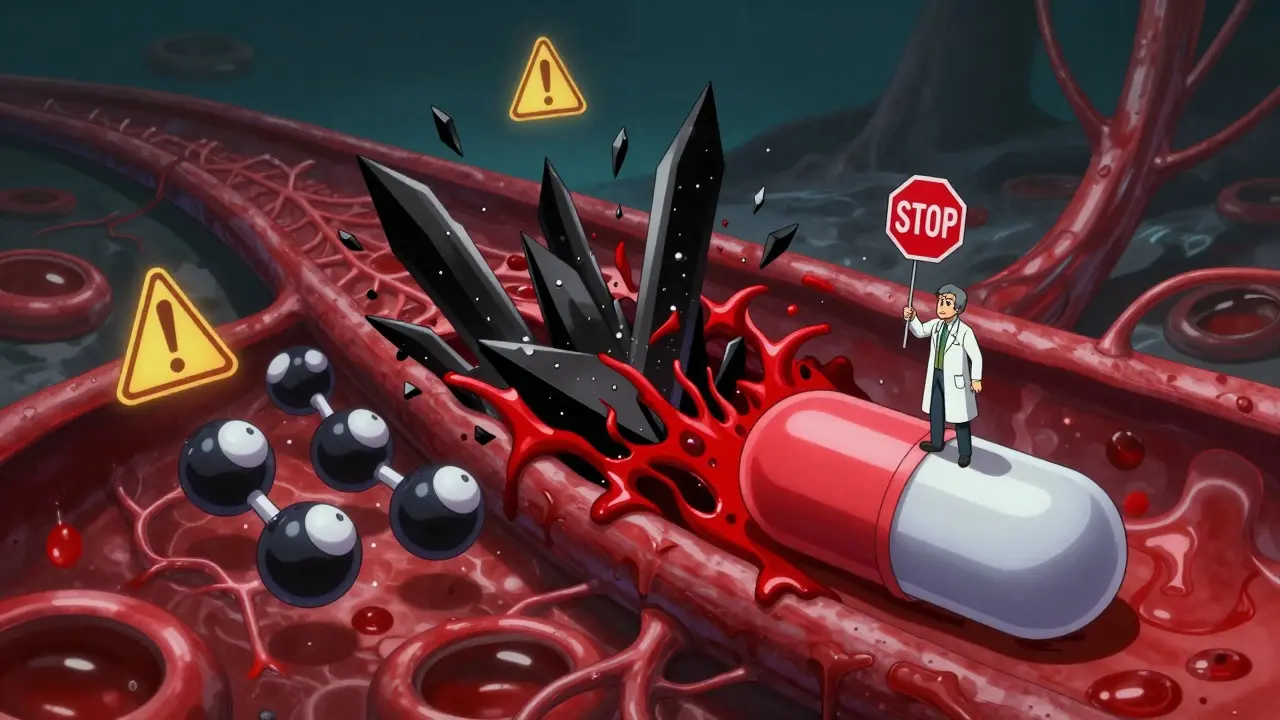
Warning Signs You Need Medical Help
If you’re on medication and drink caffeine, watch for these red flags:- Heart rate over 120 beats per minute
- Systolic blood pressure above 180 mmHg
- Difficulty breathing
- Confusion, vision changes, or loss of coordination
- Twitching, rigid muscles, or shaking
- Worsening depression or suicidal thoughts
- Seizures or altered mental state
Dan Gaytan
December 23, 2025 AT 16:55bharath vinay
December 25, 2025 AT 16:53Usha Sundar
December 26, 2025 AT 11:04claire davies
December 27, 2025 AT 05:24Wilton Holliday
December 27, 2025 AT 14:42Joseph Manuel
December 28, 2025 AT 03:14Rachel Cericola
December 29, 2025 AT 08:25Rosemary O'Shea
December 30, 2025 AT 22:58Joe Jeter
January 1, 2026 AT 09:30Sidra Khan
January 3, 2026 AT 00:33Lu Jelonek
January 3, 2026 AT 12:26siddharth tiwari
January 4, 2026 AT 05:46Diana Alime
January 5, 2026 AT 09:39