Renal Dosing Calculator for Metformin
Enter eGFR Value
Dosing Guidance
Maximum Daily Dose
Monitoring: Every 6-12 months
Why Renal Dosing Matters for Diabetes Drugs
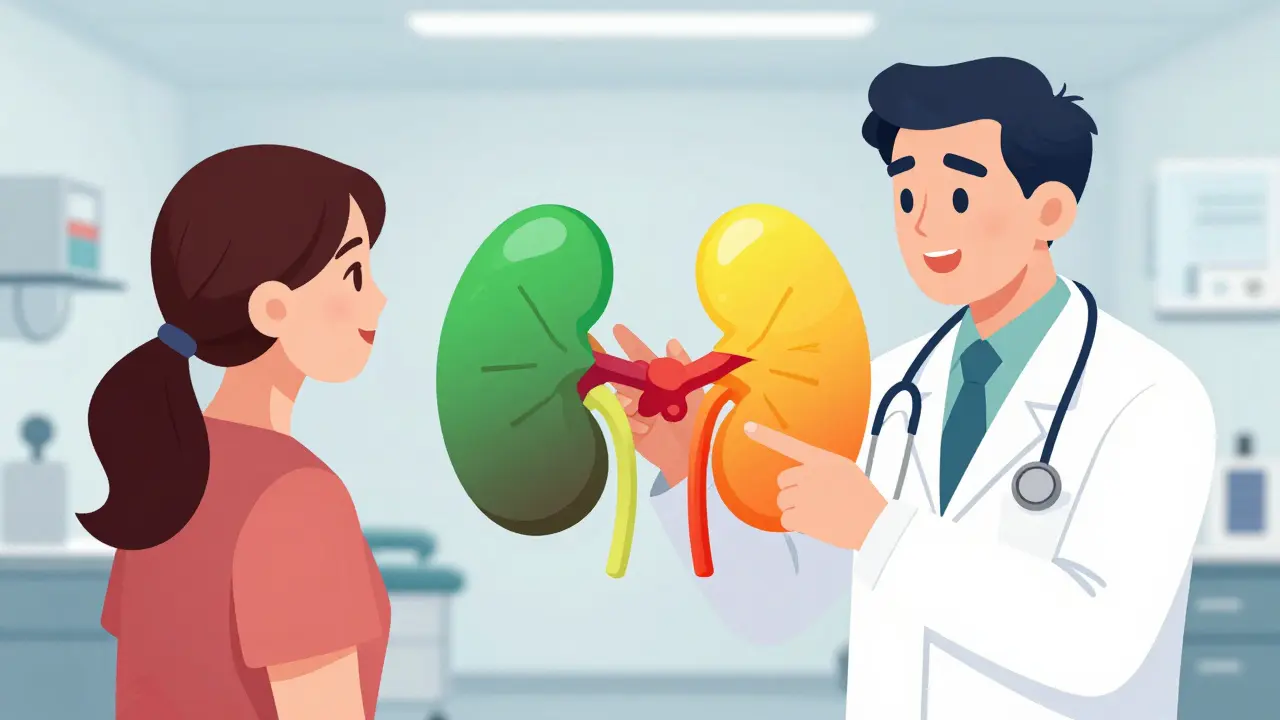
About 40% of people with type 2 diabetes develop kidney problems. For them, adjusting diabetes medications like metformin and SGLT2 inhibitors isn’t just important-it’s life-saving. Incorrect dosing can lead to serious side effects or missed benefits. renal dosing practices directly impact whether these drugs work safely and effectively. Let’s cut through the confusion with clear, current guidelines.
Current Metformin Dosing Guidelines
Metformin dosing rules changed dramatically after the FDA’s 2016 safety update. Previously, doctors stopped metformin at eGFR below 60 mL/min/1.73 m². Now, it’s safer to use at lower levels with careful adjustments. Here’s exactly how it works:
| eGFR (mL/min/1.73 m²) | Max Daily Dose | Monitoring Frequency |
|---|---|---|
| ≥60 | 2550 mg | Every 6-12 months |
| 45-59 | 2000 mg | Every 3-6 months |
| 30-44 | 1000 mg | Every 3 months |
| <30 | Contraindicated | N/A |
Why the shift? A 2014 BMJ study found lactic acidosis from metformin is extremely rare-just 3.3 cases per 100,000 patient-years. The cardiovascular benefits outweigh this tiny risk. For example, a patient with eGFR 35 mL/min/1.73 m² can safely take 1000 mg daily while monitoring kidney function every 3 months. This change helps prevent unnecessary medication gaps in diabetes management.
SGLT2 Inhibitor Dosing Thresholds Explained
SGLT2 inhibitors like dapagliflozin, empagliflozin, and canagliflozin were once restricted to patients with better kidney function. But landmark trials changed everything. The DAPA-CKD trial (2020) showed dapagliflozin reduced kidney failure risk by 39% even in patients with eGFR as low as 25 mL/min/1.73 m². This led to major guideline updates.
| Drug | eGFR 20-44 mL/min/1.73 m² | eGFR < 20 mL/min/1.73 m² |
|---|---|---|
| Dapagliflozin | 10 mg daily | Continue if tolerated |
| Empagliflozin | 10 mg daily | Continue if tolerated |
| Canagliflozin | 100 mg daily | Contraindicated |
KDIGO 2022 guidelines lowered the SGLT2 inhibitor threshold from eGFR ≥30 to ≥20 mL/min/1.73 m². This means a patient with eGFR 22 can safely take dapagliflozin at 10 mg daily. But here’s the catch: FDA labeling still restricts canagliflozin to eGFR ≥45. Clinicians must navigate this gap between evidence and regulation. For instance, a 2023 survey found 43% of endocrinologists faced insurance denials for SGLT2 inhibitors in patients with eGFR 20-29, despite KDIGO recommendations.
Handling eGFR Drops During Treatment
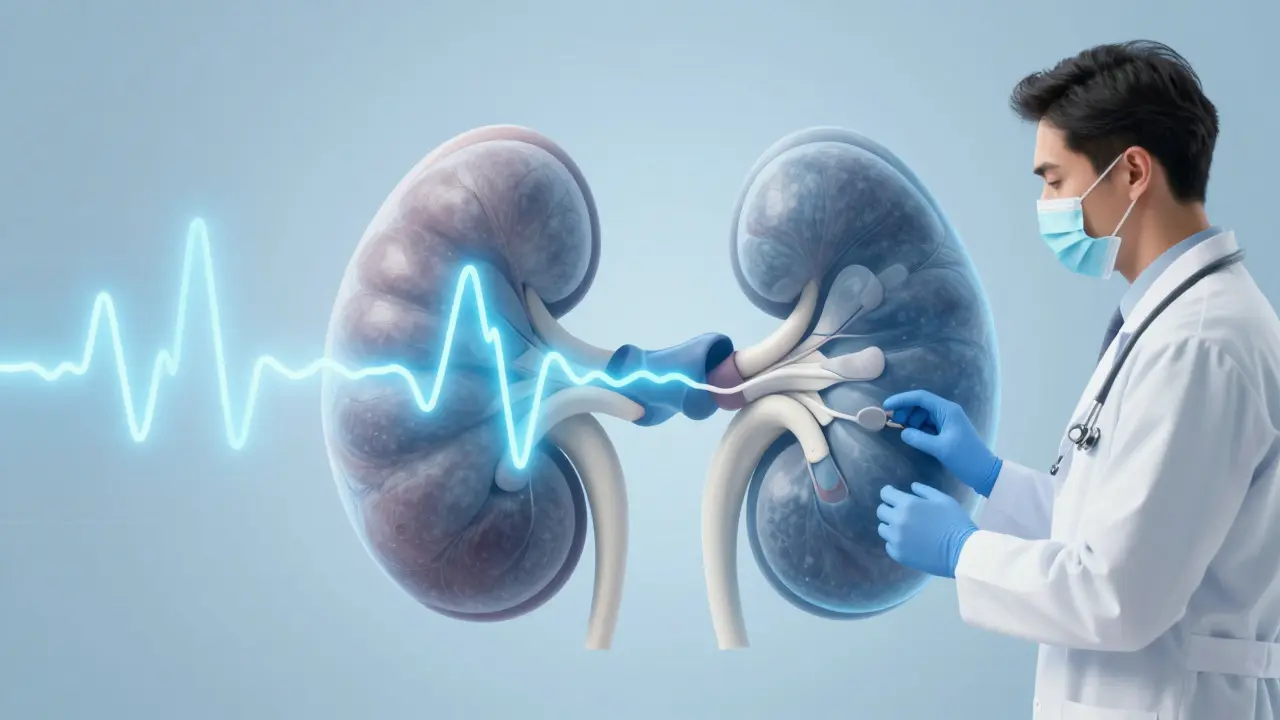
Many patients panic when their eGFR drops slightly after starting SGLT2 inhibitors. This is normal. These drugs cause an initial 2-5 mL/min/1.73 m² dip due to kidney hemodynamic changes. A 2022 Diabetes Care study tracked 12 patients on SGLT2 inhibitors: 11 had eGFR rebound to baseline within 3 months while showing improved proteinuria. Never stop the medication for this expected dip.
Here’s what to do instead:
- Check eGFR 2-4 weeks after starting the drug
- Recheck every 3 months if stable
- Only discontinue if eGFR falls below 15 mL/min/1.73 m² and the patient has symptoms like severe dehydration or acute kidney injury
The UK Kidney Association explicitly states: "A decline in eGFR needs to be interpreted with caution and in the context of an expected drug effect to avoid unwarranted discontinuation." For example, a patient on dapagliflozin whose eGFR dropped from 28 to 24 mL/min/1.73 m² should continue therapy-this is within expected parameters.
Metformin + SGLT2 Inhibitor Combinations
Combining these drugs is powerful for kidney protection. But the dosing window is narrow. For patients with eGFR 30-44 mL/min/1.73 m², metformin max dose is 1000 mg daily. SGLT2 inhibitors can be started at full dose. However, when eGFR falls to 20-29 mL/min/1.73 m², metformin must stop (since it’s contraindicated below 30), but SGLT2 inhibitors can continue. This is critical for patients with advanced CKD.
A real-world example: A 62-year-old with type 2 diabetes and eGFR 25 mL/min/1.73 m². Metformin is stopped. Dapagliflozin 10 mg daily is continued. This approach reduced proteinuria by 40% over 6 months without complications. The KDIGO 2022 guideline specifically states: "Metformin may be given when eGFR is ≥30 mL/min/1.73 m²; SGLT2 inhibitor therapy should be initiated when eGFR is ≥20 mL/min/1.73 m²." This creates a clear path for combination therapy in early CKD stages.
Common Pitfalls and How to Avoid Them
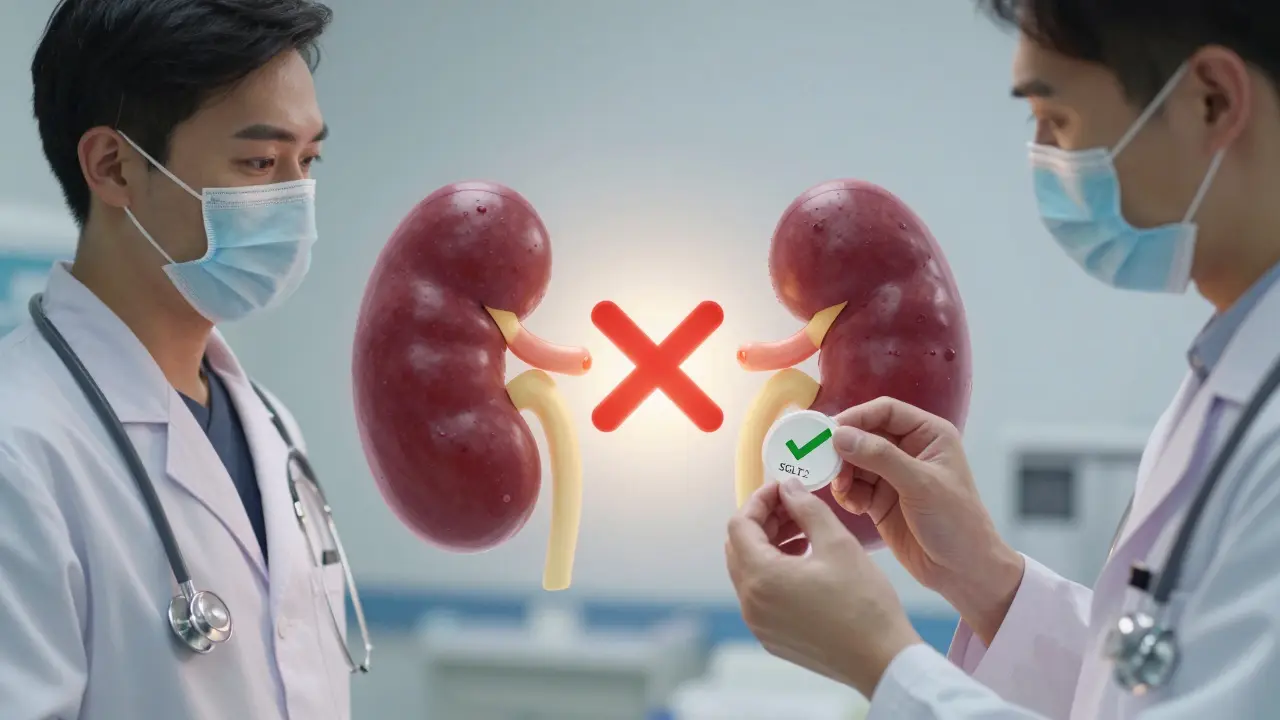
Even with clear guidelines, mistakes happen. Here are the top errors and fixes:
- Stopping SGLT2 inhibitors for minor eGFR drops: As noted earlier, 2-5 mL/min/1.73 m² dips are normal. Monitor, don’t panic.
- Ignoring insurance barriers: If denied for eGFR 20-29, appeal with KDIGO 2022 guidelines. A 2023 American Diabetes Association survey showed 65% of appeals succeeded with proper documentation.
- Not adjusting metformin in time: For eGFR 28, metformin must stop. Continuing it risks lactic acidosis.
- Missing sick-day rules: Withhold SGLT2 inhibitors during severe illness (e.g., vomiting, diarrhea) to prevent volume depletion. Resume once stable.
Dr. Katherine Tuttle, lead author of the KDIGO 2022 guideline, emphasizes: "The evidence supporting SGLT2 inhibitors for kidney protection is so compelling that we lowered the eGFR threshold to 20 mL/min/1.73 m². This isn’t theoretical-it’s saving kidneys in real patients."
Frequently Asked Questions
What if my eGFR drops below 20 while on an SGLT2 inhibitor?
KDIGO 2022 guidelines recommend continuing SGLT2 inhibitors even below eGFR 20 mL/min/1.73 m² if the patient is tolerating the medication and not on dialysis. However, monitor closely for volume depletion signs like dizziness or low blood pressure, especially if taking diuretics. Always consult your nephrologist before stopping.
Is metformin safe for someone with eGFR 28?
No. Metformin is contraindicated at eGFR below 30 mL/min/1.73 m². For eGFR 28, stop metformin immediately. However, SGLT2 inhibitors like dapagliflozin can still be used at 10 mg daily. This combination approach protects kidney function while avoiding metformin risks.
Why do FDA labels differ from clinical guidelines?
Regulatory agencies like the FDA prioritize conservative safety thresholds, while clinical guidelines (like KDIGO 2022) reflect the totality of evidence. For example, FDA labeling still restricts canagliflozin to eGFR ≥45, but KDIGO recommends use down to eGFR ≥20. Clinicians should follow evidence-based guidelines over regulatory labeling when they conflict. The KDIGO 2022 guideline specifically states: "Clinicians should follow evidence-based clinical practice guidelines rather than regulatory labeling when they conflict." A 2024 Congressional testimony confirmed this gap, with FDA advisors stating: "While we recognize the KDIGO evidence, additional safety data in eGFR 20-29 mL/min/1.73 m² patients are needed before we can revise labeling."
How often should kidney function be checked?
For metformin: every 6-12 months if eGFR ≥60, every 3-6 months for eGFR 45-59, and every 3 months for eGFR 30-44. For SGLT2 inhibitors: check eGFR within 2-4 weeks of starting, then every 3 months if stable. During acute illness, check immediately and withhold the drug until recovery.
Can SGLT2 inhibitors be used in non-diabetic CKD patients?
Yes. In February 2024, the FDA approved dapagliflozin for chronic kidney disease regardless of diabetes status based on the DAPA-CKD trial. However, the FDA labeling maintains an eGFR threshold of ≥25 mL/min/1.73 m², while KDIGO 2022 recommends use down to eGFR ≥20. This creates a similar regulatory-clinical gap as with diabetic patients. Always confirm with your nephrologist before starting in non-diabetic CKD.
What’s Next for Renal Dosing Guidelines
The ADA and KDIGO are collaborating on a 2025 guideline update. Draft materials (released September 2023) propose refining SGLT2 inhibitor dosing for patients with eGFR 15-19 mL/min/1.73 m². Meanwhile, the Institute for Clinical and Economic Review found SGLT2 inhibitors provide $128,000 per quality-adjusted life year gained in patients with eGFR 20-29-meeting cost-effectiveness thresholds despite higher drug costs.
Dr. Robert Provenzano, Chief Medical Officer of Satellite Healthcare, predicts: "Within 5 years, SGLT2 inhibitors will be standard of care for all CKD patients with albuminuria, regardless of diabetes status, with renal dosing protocols becoming increasingly standardized." But for now, focus on the current evidence: proper renal dosing saves kidneys, prevents hospitalizations, and keeps diabetes management on track.
Dina Santorelli
February 5, 2026 AT 01:01Ugh, this is why doctors mess up so much.
Phoebe Norman
February 6, 2026 AT 17:06When eGFR is below 60 metformin should be adjusted but some doctors still push it too high leading to lactic acidosis which is bad
Albert Lua
February 7, 2026 AT 08:01Just wanted to say this is super important globally. In my work with international patients, renal dosing is often overlooked in certain regions. We need to spread awareness!
Katharine Meiler
February 9, 2026 AT 03:28Based on current guidelines, metformin at eGFR 30-44 should be capped at 1000 mg daily. Monitoring every 3 months is crucial to prevent complications. This is a solid approach.
Danielle Vila
February 10, 2026 AT 18:44Did you know that the FDA's guidelines are actually influenced by Big Pharma? They want us to keep using these drugs even when kidneys are failing because it's profitable. I've seen this pattern before-always the same corporate greed. They don't care about patients, just money.
Thorben Westerhuys
February 12, 2026 AT 04:36Oh my goodness! This is so important! I can't believe how many doctors don't follow this! It's absolutely critical to monitor eGFR regularly, especially when using metformin. Please, please, please be careful!
Laissa Peixoto
February 14, 2026 AT 00:03It's fascinating how kidney function impacts drug metabolism. Metformin's clearance is heavily dependent on renal function, and when it's impaired, the risk of lactic acidosis increases. Understanding this physiological link is key to safe prescribing.
Lana Younis
February 15, 2026 AT 14:28Hey folks, just wanted to share that this stuff is really important. I've seen too many patients get messed up because of wrong dosing. Like, for eGFR under 60, max dose is 2000 mg. But some docs still push higher. Gotta be careful.
one hamzah
February 17, 2026 AT 08:33This is great info! 🌟 Especially for those with CKD. Remember, keeping eGFR in check is key. 💯 Always check with your doc though! 👍
Matthew Morales
February 17, 2026 AT 12:28Thanks for sharing this! I've been using this info for my patients and it's helped a lot. eGFR 45-59 max 2000 mg. Just need to make sure to monitor regularly. 😊
Diana Phe
February 17, 2026 AT 13:57Why is the FDA allowing these drugs to be used without strict monitoring? It's all part of the government's plan to control the population. They don't care about kidney health-just profits.
Carl Crista
February 18, 2026 AT 05:35Metformin dosing is critical for kidney function. Doctors often ignore this leading to serious issues. The system is broken
Andre Shaw
February 19, 2026 AT 12:33Everyone says to lower metformin for kidney issues, but that's wrong. Studies show that even with low eGFR, metformin can be safe if monitored. The guidelines are outdated. Trust me, I know.
Dr. Sara Harowitz
February 19, 2026 AT 12:55Oh my goodness! So many doctors are still not following the updated guidelines! This is unacceptable! Patients are at risk because of this negligence. It's time for stricter enforcement!
Joyce cuypers
February 20, 2026 AT 11:51This is really helpful info! I've been using this with my patients and it's made a big difference. Just need to check eGFR regularly. Thanks for sharing! 😊